
A Bigger Vote Forward
How we evolved from primarily a letter-writing organization into a laboratory for tactics to strengthen democracy.
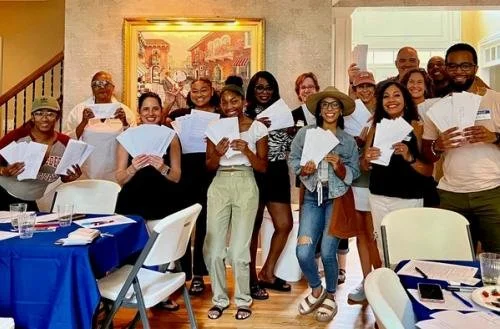
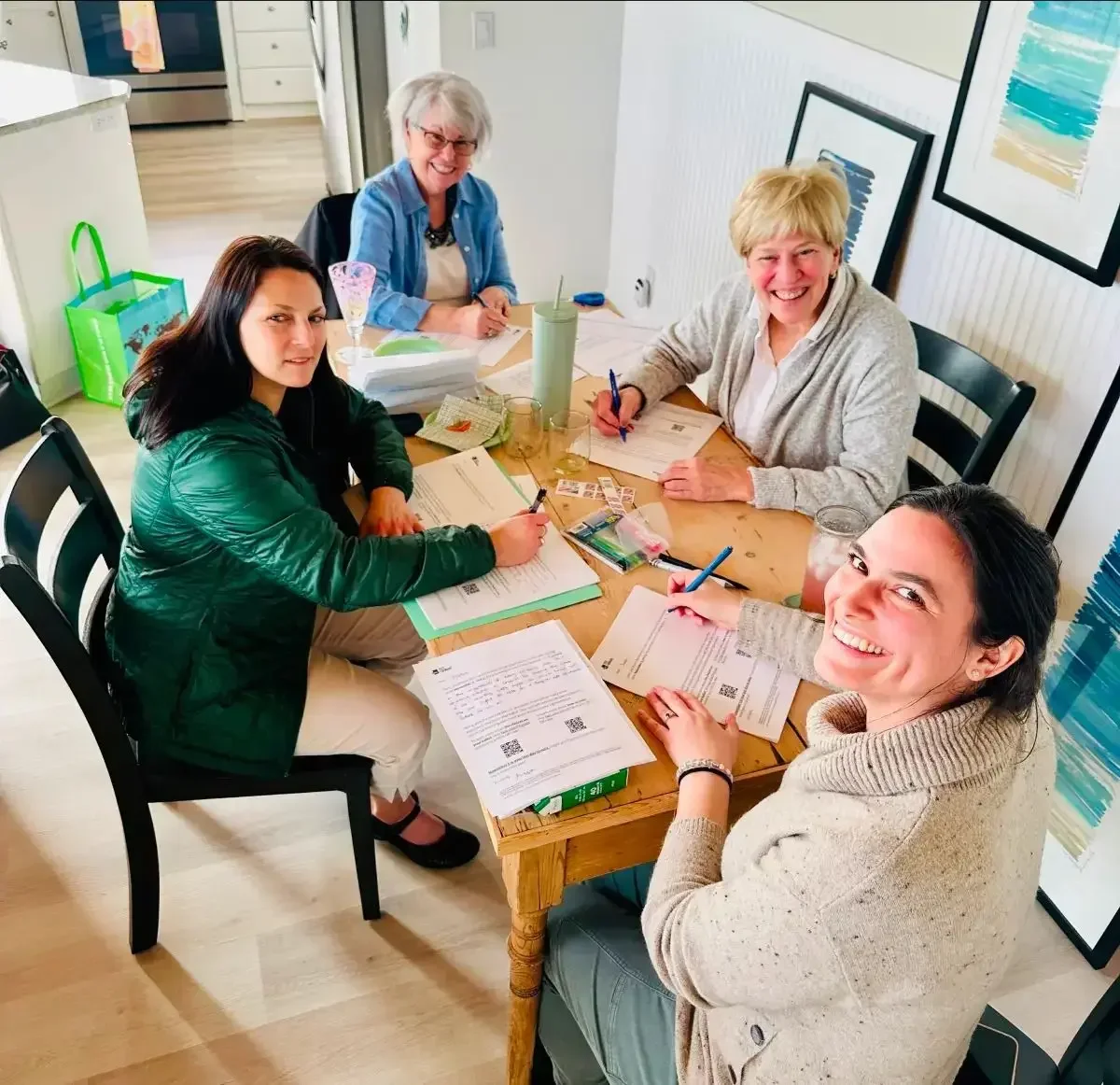
In 2017, Vote Forward started as a randomized controlled trial. A small group of volunteers wrote personal, handwritten letters to fellow Americans, encouraging them to vote. We rigorously measured what happened. The voters who received letters were three percentage points more likely to turn out than those who did not, a surprisingly large effect that could change the outcome of elections.
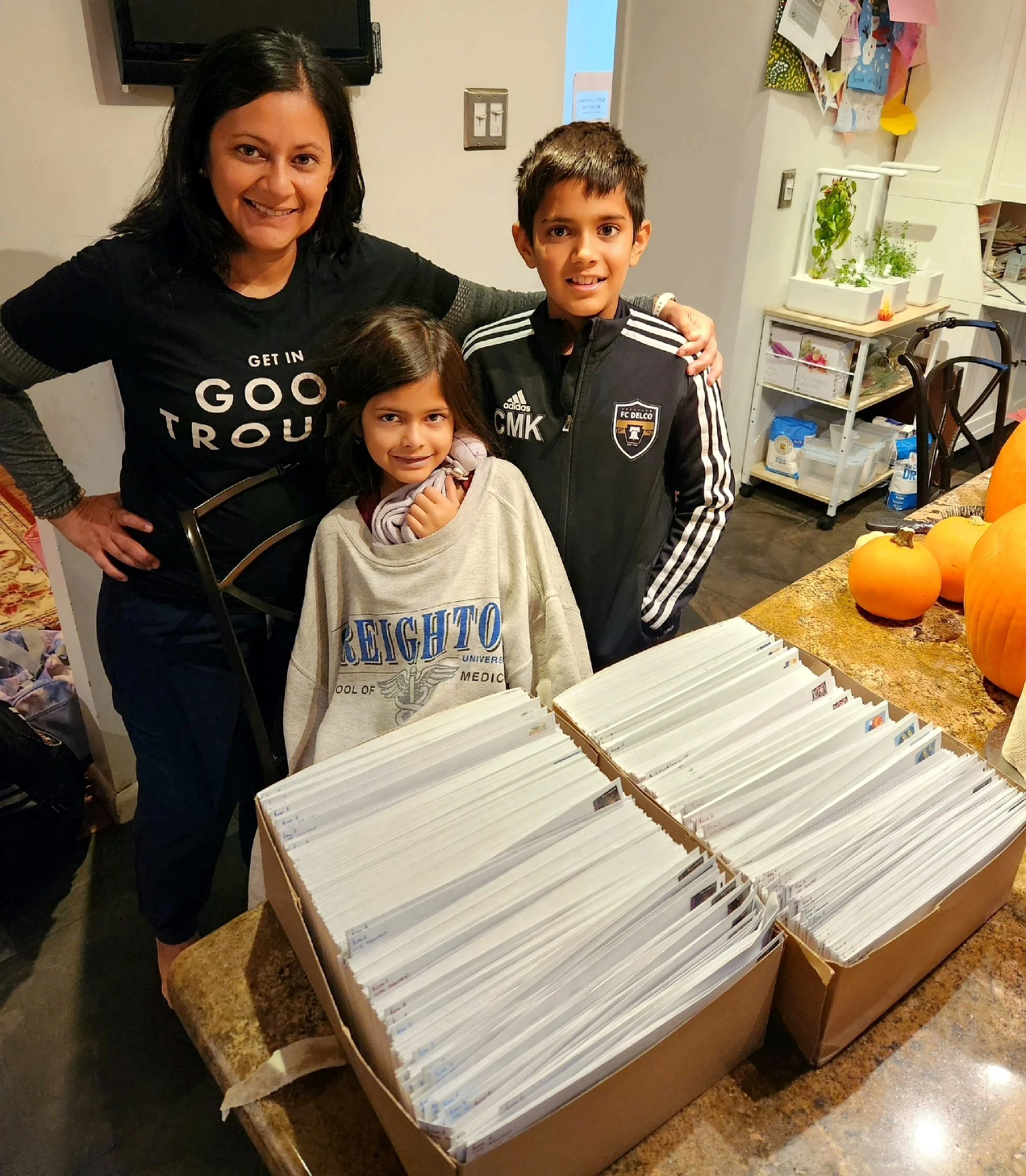
Over the next eight years, nearly 300,000 volunteers sent more than 40 million letters. We designed and ran 29 experiments to test and refine the tactic, in municipal, statewide, congressional, and presidential elections. Of those 29 tests, 22 produced measurable, positive effects on turnout, and in some cases, on voter registration. Vote Forward became one of the largest distributed volunteer programs in American politics, and along the way, it became something else too: a rigorous and transparent research practice.
Evolving in response to evidence
We wrote letters because we wanted to have a measurable impact on voter turnout to strengthen our democracy.
But in 2025, our evaluation of the 2024 program showed no measurable increase in turnout. A small group of low-propensity voters saw a modest boost, but the overall impact was significantly less than previous Vote Forward programs.
Most organizations sit on results like that. We did the opposite: we published the findings in The Atlantic. That transparency earned Vote Forward the Analyst Institute’s inaugural Malchow Award. For us, evidence matters more than wishful thinking. As Vote Forward’s Executive Director Yasmin Radjy put it in The Atlantic: “Even candor that is not rosy is more appealing than rosy bullshit.”
After these disappointing results in 2024, we had a decision to make. Should we shift tactics, and stop sending letters? Was it that letters didn’t work in that context, or that they didn’t work at all?
The truth is, in high-profile elections, voter attention is increasingly saturated. Voters are receiving a lot of messages from a lot of directions, and the marginal effect of any single piece of communication has shrunk. This pattern shows up across voter contact research: get-out-the-vote tactics tend to produce larger effects as salience, or overall interest in the election, decreases. So with high-attention, high-salience presidential elections, many individual tactics see lower effects, which are then higher in midterms, and higher still in low-salience off-cycle and down-ballot elections.
That isn't the same as voter contact failing. In a counterfactual world where campaigns stopped knocking doors, making calls, and sending mail, turnout would drop sharply. But it does mean that breaking through requires constant innovation: tactics, targeting, and content we haven't tried before.
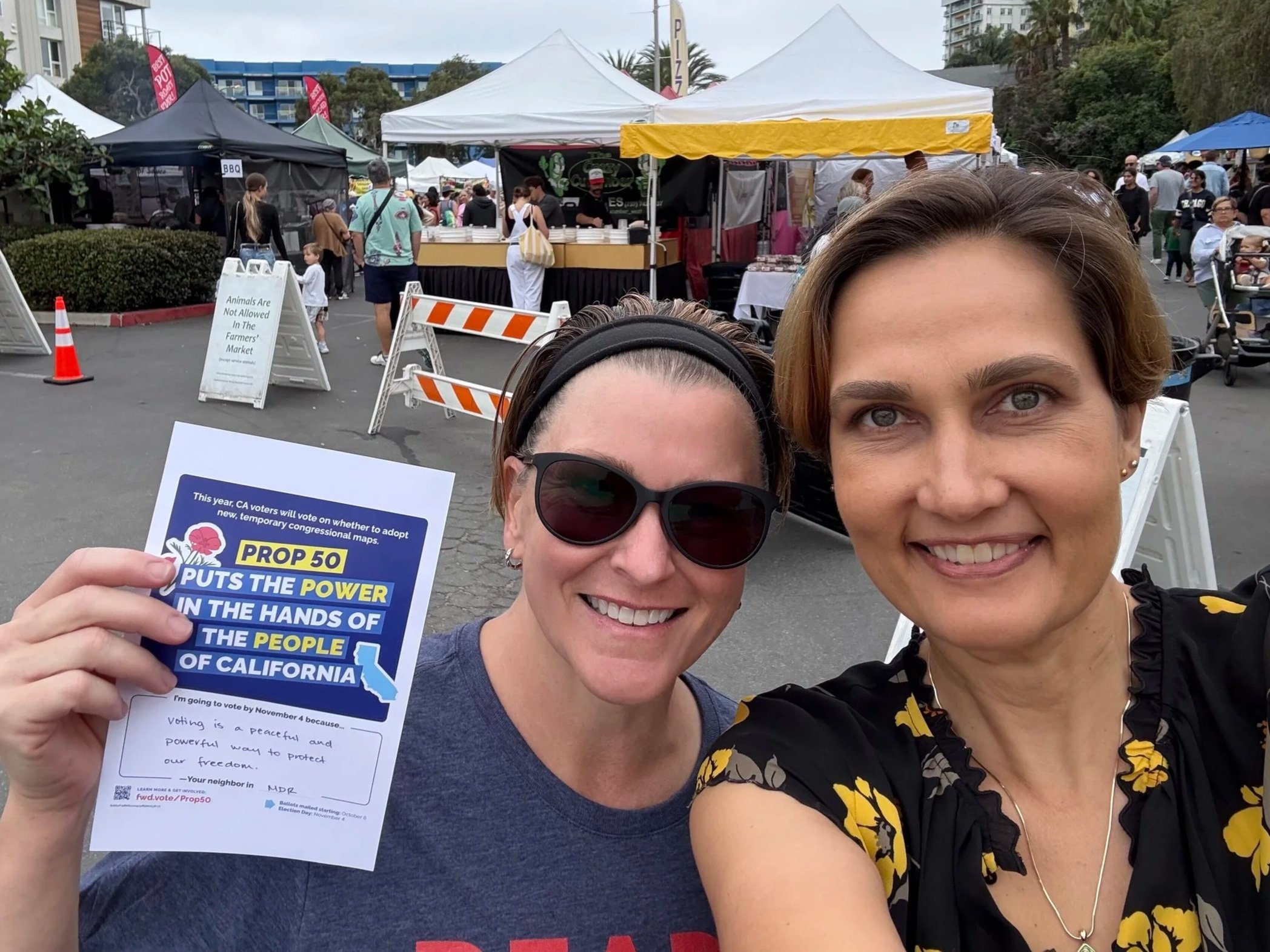
So in 2025, in keeping to our commitment to transparency, rigor, and innovation, rather than scaling back letter writing, we conducted experiments, in off-cycle elections in Wisconsin, Pennsylvania, and California, to find the circumstances under which letters could still be effective.
The results of our evaluation are out, and it’s clear that letter writing still impacts voter turnout in certain situations, especially in lower salience elections and when they bring something new to the voter, like when it’s the voter’s first time receiving a letter or if there is something novel about the experience or the message.
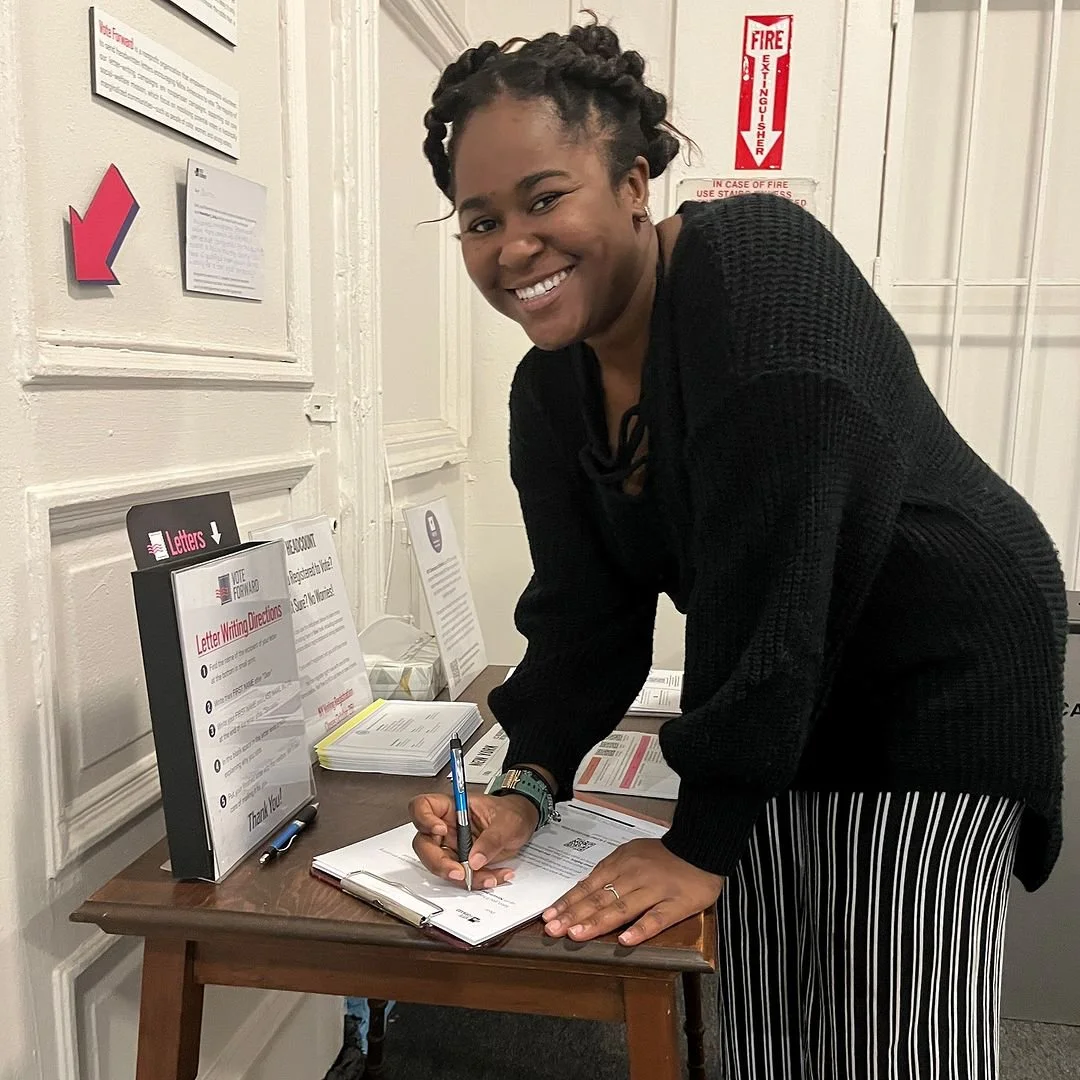
We don't yet know exactly which types of programs will be effective in 2026’s relatively high-salience midterm election. That is why we are designing our programs this year based on the best information we have from our previous experiments and, as always, we will report back with our learnings.
In pursuit of even more impact in the 2026 elections and beyond, we are also continuing to evolve by launching new beyond-letters experimental tactics aimed at addressing barriers to participation that lie upstream of turning out to vote.
Trust, or at least hope, in democracy could be a prerequisite for participating in it
In September 2025, Pew Research Center found that just 17% of Americans say they trust the federal government to do what is right "just about always" or "most of the time," which is one of the lowest readings in nearly seven decades of polling on this question. Knight Foundation's research on the roughly 100 million chronic nonvoters in this country found that their top reasons for sitting out elections are that they feel their vote doesn't matter, they don't have enough information to decide, and they think the system is rigged.
Picture the people we need to reach: a 19-year-old in Pennsylvania who registered to vote last year but has no one to guide them in casting a ballot. A 71-year-old widow in Ohio who qualifies for a property tax exemption that would save her $500 a year and has never heard of it. A 52-year-old man in New York who only hears from the government during tax season. Our hypothesis is that each of these people is less likely to vote, less likely to believe their participation matters, less likely to trust democracy to deliver.
Distrust depresses turnout. Low turnout produces governments too weak or too hostile to deliver. Those failures deepen distrust. The cycle repeats.
Traditional voter contact tactics, like letters, calls, and door-knocks, are essential, and they can be remarkably effective at moving someone who's on the fence about whether to show up. But for the increasing number of people for whom disillusionment runs deep, last-mile reminders are unlikely to change their mind about whether participating is worth it. Perhaps the process of turning out these voters includes demonstrating, concretely, that government can work for people like them.
What we're doing about it
Vote Forward's new portfolio works on both problems in parallel: the turnout problem we know how to address, and the trust problem upstream of it.
We're meeting material needs, by helping eligible families enroll in benefits they qualify for and avoid losing benefits they already have, so they have the stability and space to participate in democracy. We're launching Benefits Connection Pilots with a research design that lets us test whether helping people experience government working for them changes how they engage with democracy over time.
We're rebuilding trust in government, by expanding the scale and capacity of government constituent service programs with volunteer power. When someone gets help navigating a stalled VA claim or a Medicare denial, they'll see government solve a real problem in their life. That experience is what rebuilds trust. Most representatives offer this type of constituent services, but their offices are dramatically under-resourced. Vote Forward volunteers can strengthen the connective tissue between people and the elected officials who represent them and, where appropriate, between people and the charitable and government services they need.
And we're still doing what we've always done best—turning out voters—by writing letters where the evidence shows they still have strong effects.
Down-Ballot Election Integrity Letters target a curated slate of state and local races with outsized influence on how elections get run—county clerks, election boards, secretaries of state. Exactly the kind of low-salience, low-noise contests where Vote Forward letters continue to have the strongest evidence behind them.
Ground Truth Civic Action Follow-Up Letters are a smaller, more experimental campaign: about 100 trained volunteers will write tailored persuasive letters to voters who've already had substantive conversations with volunteers. The hypothesis is that a letter referencing a real conversation can move people along a pathway to participation that one tactic on its own wouldn’t accomplish.
High-impact tactic pipeline
Vote Forward’s expanded portfolio is structured as a pipeline. New ideas start as small pilots with experienced volunteers and partner organizations. They move into a validation stage when the early evidence justifies expanding them. They become scaled tactics when we have strong enough evidence to put them in front of the full Vote Forward volunteer base.
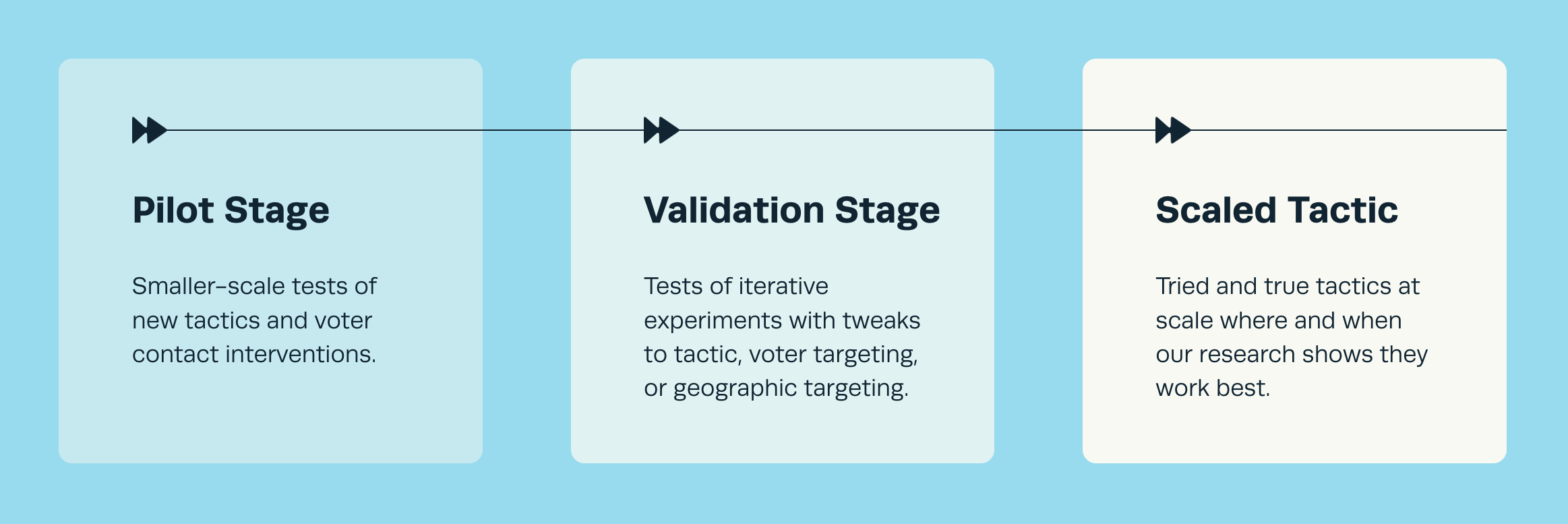
Letters started in this pipeline in 2017 and have moved through every stage. Some of the tactics we’re piloting now will follow that path. Some won’t. Every campaign in the portfolio is structured as a rigorous experiment, most often a randomized controlled trial, and we will publish what we learn, including null results, because the credibility of our work depends on it, and because the rest of the progressive ecosystem benefits when we do.
We have two ways to win. Either we succeed in motivating people to participate in our democracy, or we learn something the whole movement needs to know about what could work in 2028.
If you’ve written Vote Forward letters before, your experience will feel similar, with the added bonus of some delightful new options for having an impact. Our new campaigns are built on the same foundation: real human connection. And we still have something for everyone, whether you want to do it alone or in community, in-person or remotely, and live or on your own time.
Thanks for reading. We’ve learned and evolved a lot. This year, that means going deeper to address the roots of underlying distrust in our democracy.
More to come.
