
Volunteer Training: Building Your Personal Story
In the worksheet below, we'll guide you in creating a personal story about you or someone you know who is impacted by voting. The goal is to help you write a compelling story about a specific person's experience to show how voting affects real people's lives. You can write this personal story in the space provided on Vote Forward letter templates. We’ve also provided some FAQs and examples to help you craft your story.
This should take you about 10-15 minutes to complete, and we recommend aiming for a message of three sentences or fewer, so you can fit it in the space provided on your letter templates.
In this worksheet, you'll practice crafting a personal and heartfelt story about how voting impacts you or someone in your life. The goal is to help you build a story that is specific, authentic, and compelling. Voters receive lots of messages about why they should vote, but your personal story can show them how voting affects real people's lives.
Choose just one experience, and describe it with real feeling. This can be an experience that has already happened, a current experience, or an experience that might happen in the future. You can find examples here to jog your inspiration. You may find it helpful to jot your ideas down on paper as you proceed.
Some quick tips:
Try to focus on one specific experience, rather than general statements or political issues.
Consider local situations. What's going on in your local community that affects you and the people in your life?
Try to focus on feelings. No matter who we are, we all have experienced emotions like hope, fear, love, anxiety, and relief. These emotions can help your story resonate, even when your reader's experiences and opinions differ from yours.
Think about your own life, and the people you know and care about. Can you think of a way that voting affects your life or theirs?
Who is that person? (for example: you, a friend, a family member, a neighbor, or coworker)
A few details about that person: (for example, name, relation to you, occupation, or location)
What is that person experiencing? (for example: a challenge they face, a hope they have for their future, a memory of participating in democracy)
How does that person feel about that situation? Here are some emotion words to help you describe.
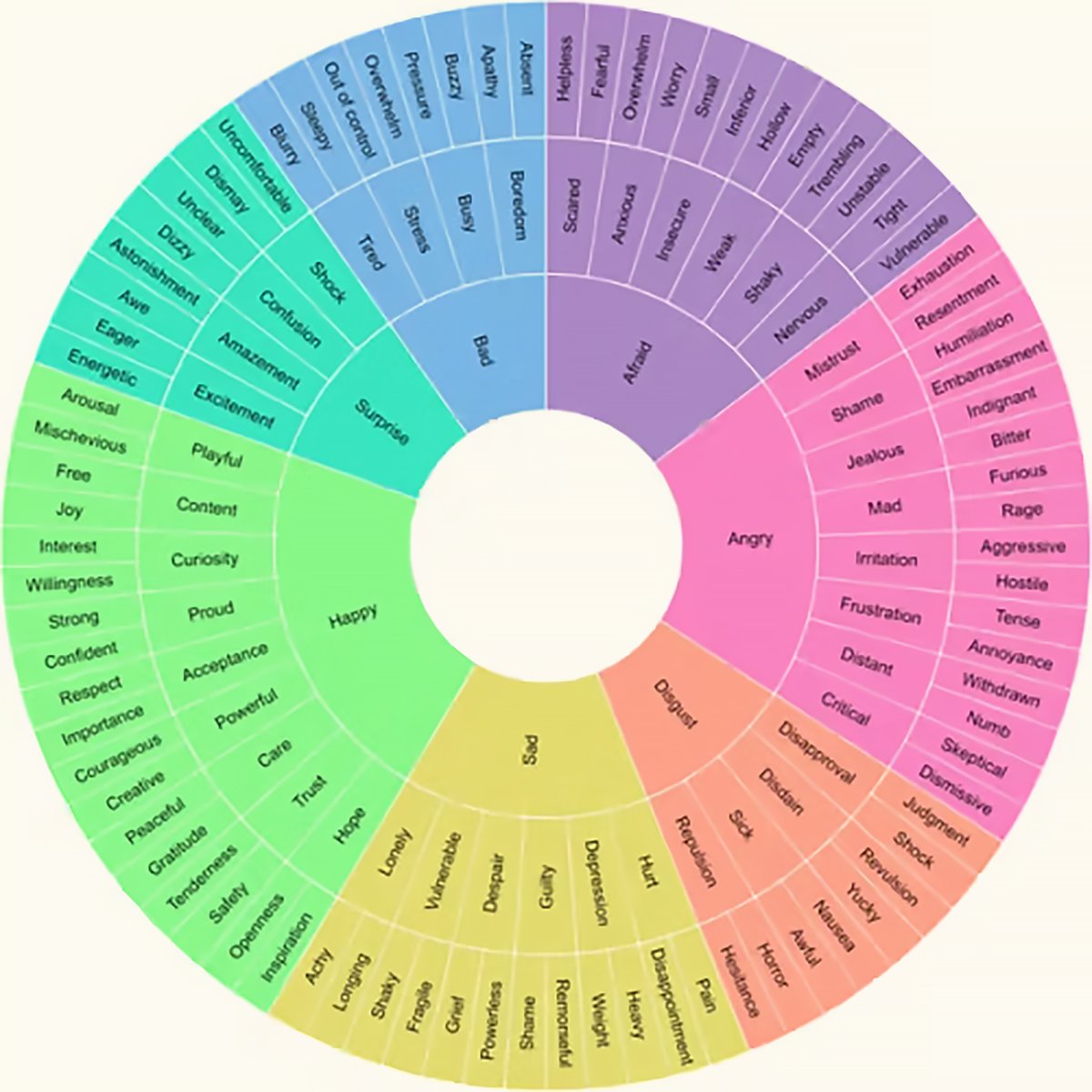
How does voting affect that person's situation?
Now try using your answers from the above exercise to craft the message you'll handwrite on your Vote Forward letters. You can shape your message however you want, but try to work in the story elements from the exercise. When you are finished, make sure to keep a record of your message! You can also save it to your Vote Forward profile page for future reference.
I vote because I want my representatives to take action to protect our environment. I almost had to evacuate my house last summer because a wildfire was burning just a couple of miles away. In the past few years I've lived here in California, these fires have been getting bigger and scarier, and sometimes I can't even leave my house because the air is so thick with smoke. It makes me feel glad to see that my representative in Congress is taking action against these climate-related disasters, so that future generations won't have to feel the same fear that I did.
I vote because in the operating room, moments after my son was born I promised him that his mom and I would do everything we could to build a better world for him. His generation faces so many challenges, from a warming climate to a growing gap between the rich and everyone else, from school shootings to a deeply divided society. I vote to keep my promise to my baby son and elect leaders who will build a better world for him to grow up in.
I vote because I always experience a strong sense of community every time it's time to fill out a ballot. I enjoy talking and comparing notes with family and friends, and when I attend volunteer events, I am always incredibly invigorated by the turnout of people of all ages and backgrounds. No matter which direction the election results go, I find the experience rewarding. I come away knowing that I participated, and I contributed to the process. It feels good.
I vote because I was diagnosed with cancer in 2017. It was very scary, but I felt lucky that, because of federal healthcare reform, I had health insurance that paid for my treatment. Now that I'm in remission, if I'm ever between jobs, I'll be able to get insurance only because the law protects people like me with pre-existing conditions. When I vote, I make sure to support candidates who support these policies that have been important to me and so many of my friends and loved ones.
I vote because my partner and I were so happy when we were able to buy a run-down house on the edge of a huge regional park. It took us 20 years to fix it up, but we did. Then the wildfires ramped up and being on the edge of a wilderness became a hazard rather than a joy. We had to evacuate our beloved home, along with our three cats, three separate times this summer, and impose on friends to take us in. Luckily, our house is still here. I want to elect government leaders who are committed to climate-friendly policies and protecting our environment.
I vote because my wife owns her own small business and she relied upon government support during the pandemic to help keep her business running. It was a scary time when she had no work coming in and we didn't know what was going to happen in the future. I vote for local, state, and national leaders who will work to ensure that small businesses are able to survive challenging times like these.
FAQs
Why write a personal story?
Research shows that personal, heartfelt stories can be an especially convincing and compelling communication tactic. We also have some suggestive evidence from an experiment in 2021 that stories are particularly effective for Vote Forward letters in particular.
What should I write?
There is no one right answer because everyone's experiences are different. Our best tip is to pick a story that makes you feel emotionally engaged: If you feel that your story is compelling, your reader probably does too! Our worksheet will help you figure out the details.
Is there anything I should be sure NOT to write?
As always, please do not advocate for specific candidates or parties (see more guidance below). You can write about anything you want, but we do have some recommendations on how to create a reader-friendly, relatable message:
Try replacing specific words with more general words. For example, consider “healthcare reform” instead of “the ACA”.
Focus on experiences rather than issues or catchphrases. For example, instead of writing about “climate change,” you might describe your family's experience living through Hurricane Sandy.
Remember that you are writing to people who may have very different experiences and beliefs than yours. Imagine that you are knocking on a stranger's door: What would you say?
I'm having trouble coming up with a compelling story. Any advice?
Here are a few prompts to help jog your inspiration. Do you know someone who:
Has a medical condition that was positively impacted by the ACA or other health-related policies?
Has children who will benefit from better childcare and education policies?
Relied on assistance to weather the pandemic?
Is especially vulnerable to COVID-19?
Faced challenges when they tried to vote?
These are examples that might apply to anyone in the country, but don't forget to think about your own community too.
Are there ways that your vote contributes to positive change in your community?
What specific local challenges are the people in your life facing?
Can I mention specific politicians or legislation in my story?
Specific details will help make your story feel authentic. However, we recommend that you avoid mentioning politicians' names or political parties. For example, instead of talking about “Joe Biden” or “Democrats,” you could talk about how national leadership on the vaccine rollout helped your family protect themselves. Be aware that your letter might go to someone who votes and/or thinks differently than you do! And as always, please do not use your message to advocate for specific candidates/parties.
